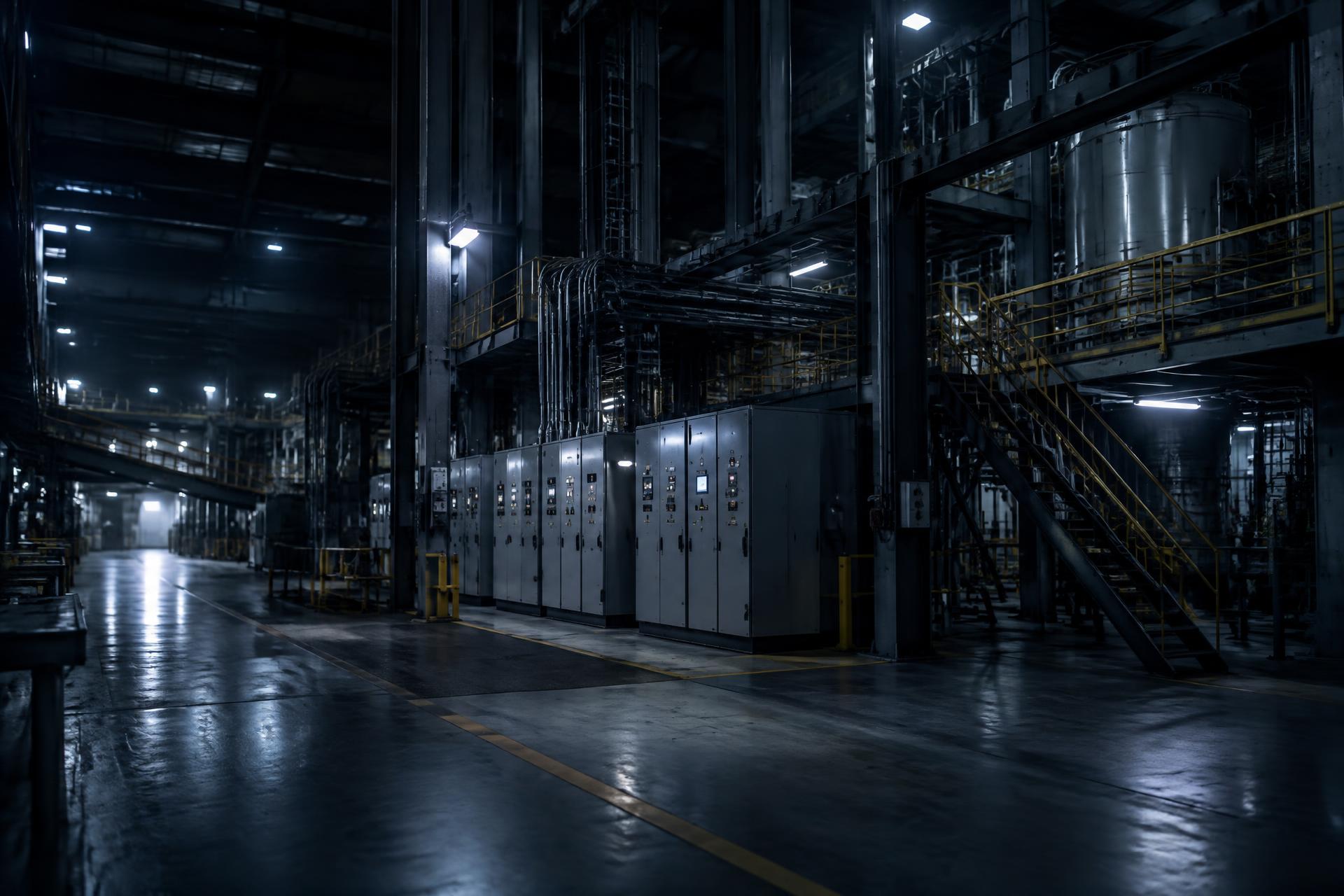
Industrial electrical, controls, and automation that hold up on the floor.
Kelvane Automation designs, installs, and troubleshoots commercial and industrial electrical and control systems: PLCs, panels, instrumentation, and machine wiring. Project support throughout the United States.
- Commercial electrical
- Industrial electrical
- Industrial automation
- PLC systems
- PLC programming
- Industrial controls
- Sensors
- Instrumentation
- Control panels
- Equipment wiring
We work where electrical and automation meet: power to the equipment, controls that run it, and the diagnostics when something stops.
Our work covers commercial and industrial electrical systems, PLC programming and controls, control panels, sensors and instrumentation, machine and equipment wiring, and troubleshooting on live production environments. Industrial experience dates back to 2009.
Capabilities across electrical and controls
- 01
Commercial Electrical
Installation, modifications, and equipment connections for commercial buildings and facilities, plus troubleshooting when systems do not behave as designed.
- 02
Industrial Electrical
Electrical systems built for production environments: distribution, equipment wiring, modifications, and maintenance work that has to survive real duty cycles.
- 03
Industrial Automation
Automation and integration work that ties machines, sensors, and controls into systems your operators can run and your maintenance team can service.
- 04
Controls and PLC
PLC systems and programming, I/O, control panels, and the logic behind them, documented so the next person to open the cabinet is not guessing.
- 05
Equipment and Machine Wiring
Electrical and controls installation for industrial equipment and machinery, from arrival on the floor through power up and functional checks.
- 06
Troubleshooting and Maintenance
Diagnostics and repair for electrical and automation faults, along with ongoing support for facilities that cannot afford long unplanned stops.
How the work gets done
- 01
Understand the system first
Before anything is pulled apart, we read the drawings, walk the equipment, and confirm how the system is actually running. Assumptions are expensive on a plant floor.
- 02
Work around production
Shutdown windows are planned, not discovered. Scope, sequence, and switching are agreed before mobilization so operations know exactly what happens and when.
- 03
Build it to be serviced
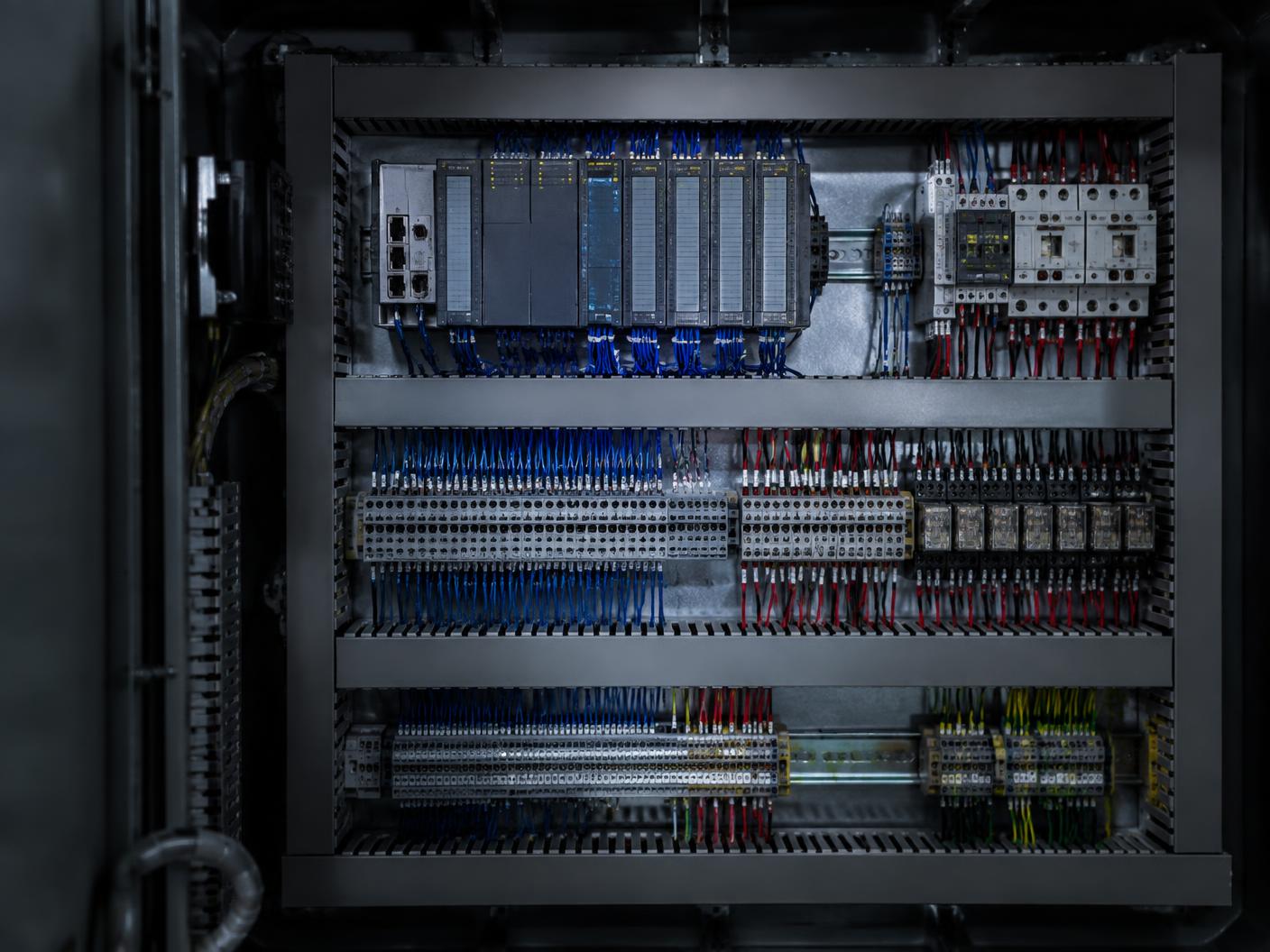
Panels are laid out cleanly, conductors are labeled, and logic changes are documented. The work has to make sense to whoever opens it next.
- 04
Prove it before we leave
Point to point checks, functional testing, and a walkthrough with your team. The job ends when the system runs the way it was specified.
Industrial experience since 2009
Kelvane Automation is built on hands on industrial and commercial work: plants, warehouses, distribution operations, and production facilities. That background shapes how we plan scope, sequence shutdowns, and document what we install.
About the division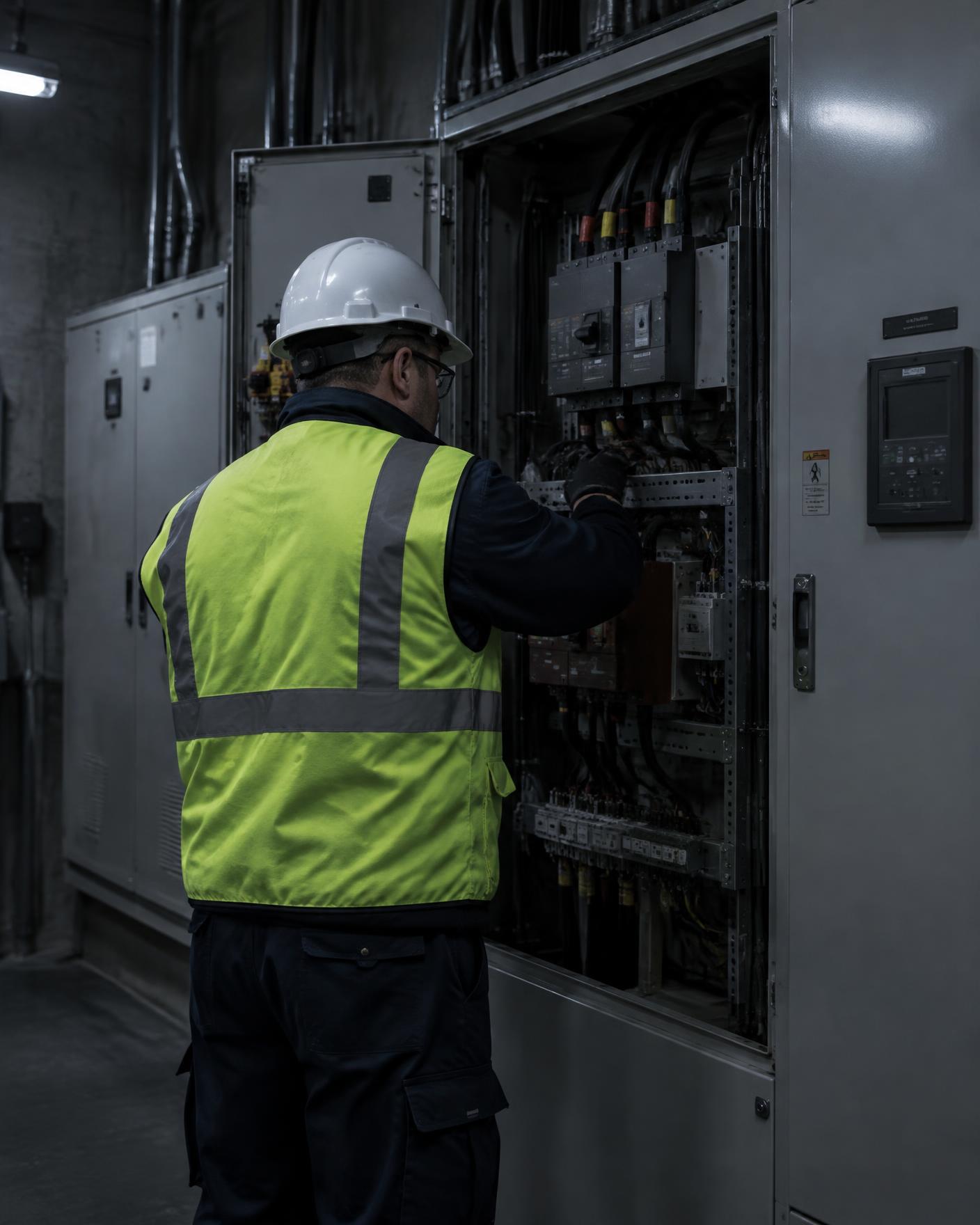
Environments we work in
Manufacturing
Plants running production equipment, machine lines, and the electrical and control systems that keep them moving.
Warehousing
Facility power, lighting, and equipment connections across storage and handling operations.
Distribution
Conveyor and handling systems, controls, and the electrical infrastructure behind throughput.
Logistics
Sites where uptime is measured in shipments and electrical work has to fit tight operating windows.
Industrial Facilities
Process and utility environments with demanding electrical distribution and instrumentation needs.
Production Facilities
Line installations, modifications, and controls work scheduled around production.
Commercial Facilities
Commercial buildings with equipment, systems, and modifications that need licensed electrical work.
Automated Facilities
Operations built on PLCs, sensors, and integrated controls that need people who can read the system.
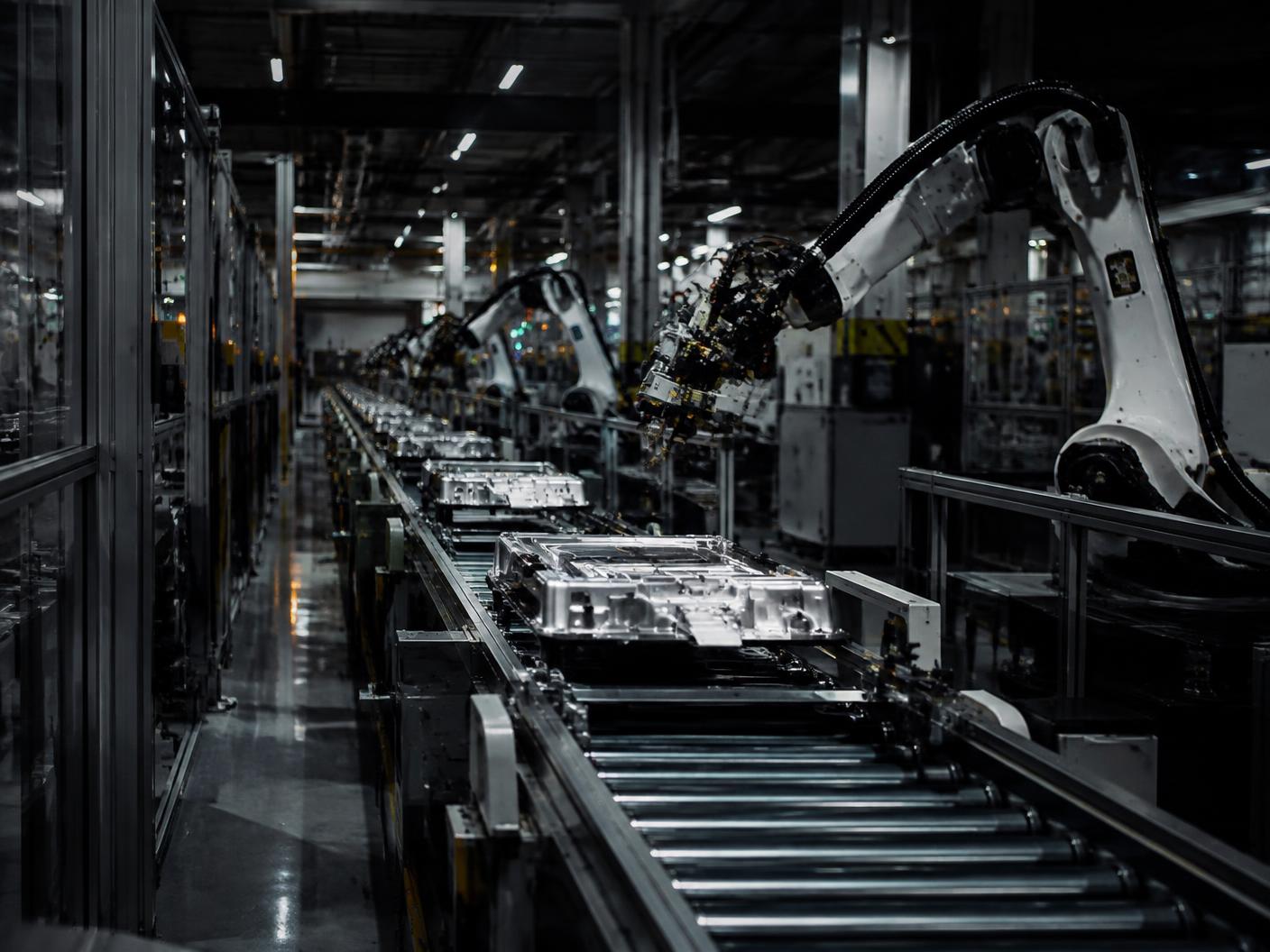
Project support throughout the United States
Based in New Jersey and available for commercial and industrial projects across the country. Travel, scheduling, and coverage are agreed up front for each project.
Tell us what the system needs to do. We will tell you how we would do it.
Send the scope, drawings, or a short description of the problem. You will speak with someone who works on industrial electrical and controls, not a call center.